
No difference in flavor, tenderness and juiciness, per Texas A&M AgriLife Research Consumer Sensory Panel

Canadian consumers indicate above average purchase likelihood for pork from gene-edited pigs

New consumer research finds Canadians value benefits of gene editing Hendersonville, TN, January 5, 2025—New consumer research from Circana, commissioned by PIC, found that there is an above average likelihood
New research shows strong U.S. consumer willingness to purchase pork from gene-edited pigs
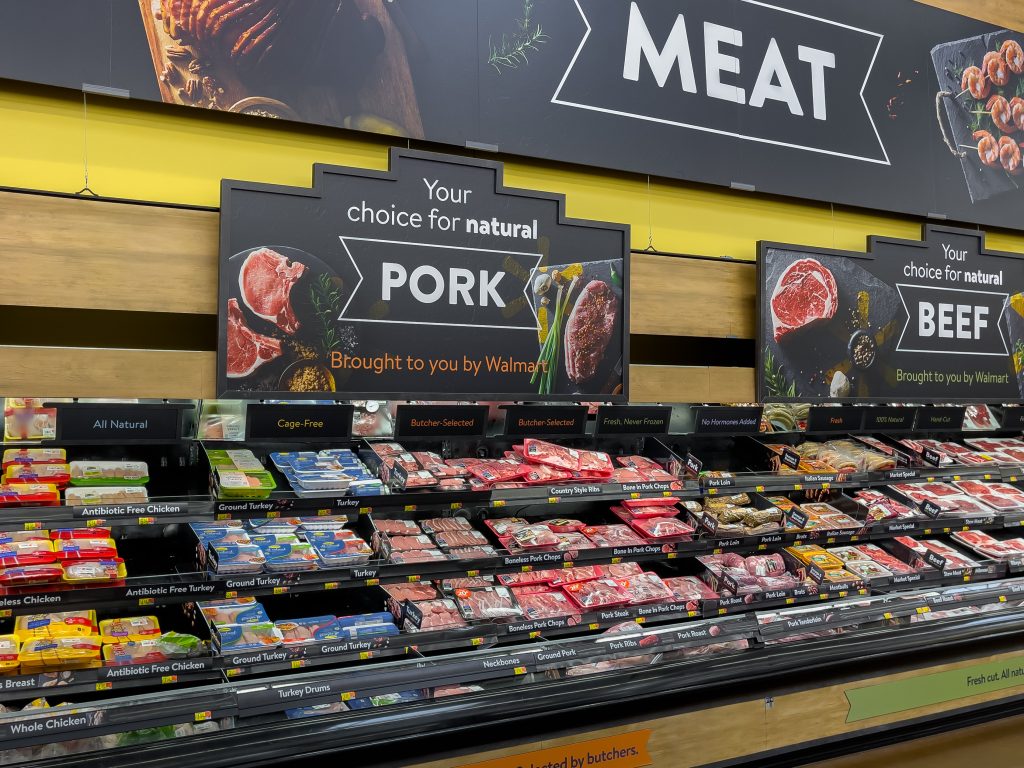
New comprehensive consumer research finds growing support and familiarity Hendersonville, TN, January 5, 2025—New research from Circana, commissioned by PIC, found that U.S. consumers clearly indicate that responsibly reducing the
The effects of PRRS on the environmental impact of pig production: a life cycle assessment study

A lifecycle assessment (LCA), published in Frontiers in Veterinary Science, found that eliminating PRRS could reduce greenhouse gas emissions by up-to 9%. The Porcine Reproductive
Global adoption of porcine reproductive and respiratory syndrome–resistant pigs will have significant economic and market impacts

Abstract Objective To evaluate the global economic impacts of adopting gene-edited pigs resistant to porcine reproductive and respiratory syndrome (PRRS) on pork markets and producer
Circana Case Study: Consumer Acceptance of the PRRS-resistant pig

The FDA has recently approved technology used to breed PRRS-resistant pigs. Pig Improvement Company (PIC) is among the first to receive approval for the use of
A Life Cycle Assessment Study of the Impacts of Pig Breeding on the Environmental Sustainability of Pig Production
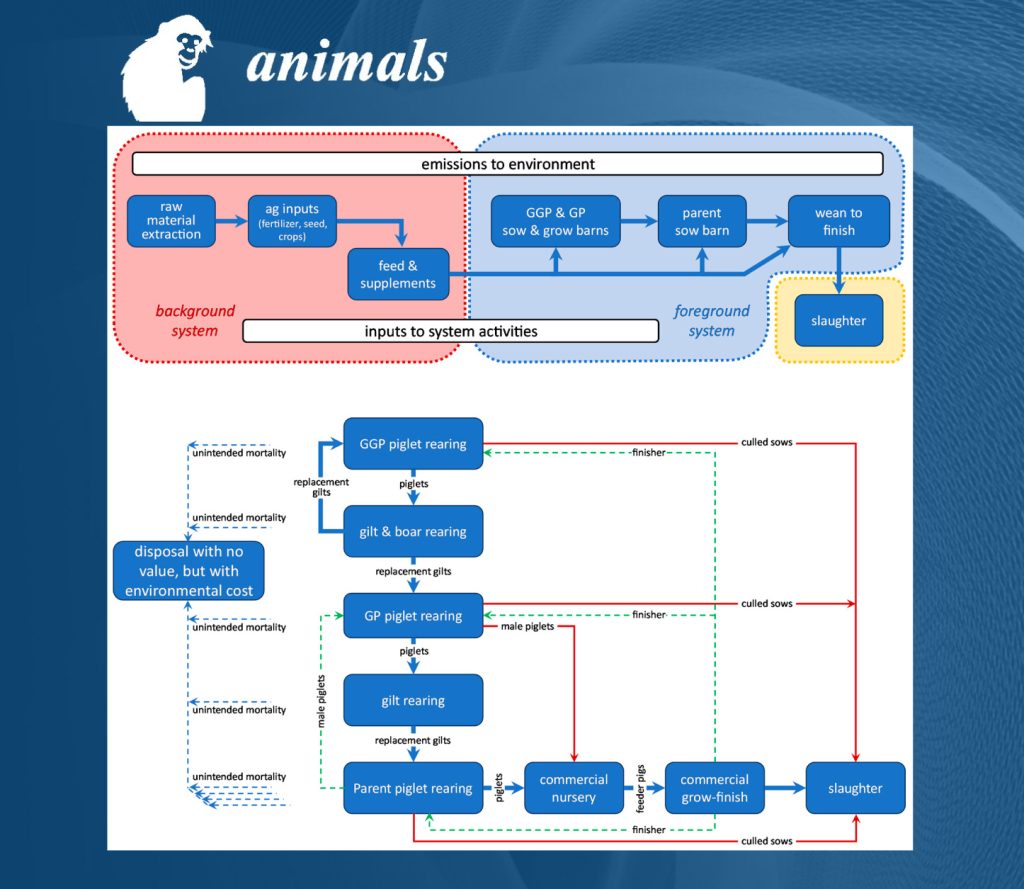
Pig production has environmental impacts such as global warming and eutrophication. This is closely linked to the feed efficiency of production, i.e., how much feed is required to produce a given quantity of pig meat; this depends on traits such as growth rate, feed intake, and litter size. Commercial pig breeding creates genetic improvement in those traits, and this should reduce the environmental impact.
Research shows PRRS-resistant pigs are no different than conventional pigs, except the pigs were resistant to the PRRS virus
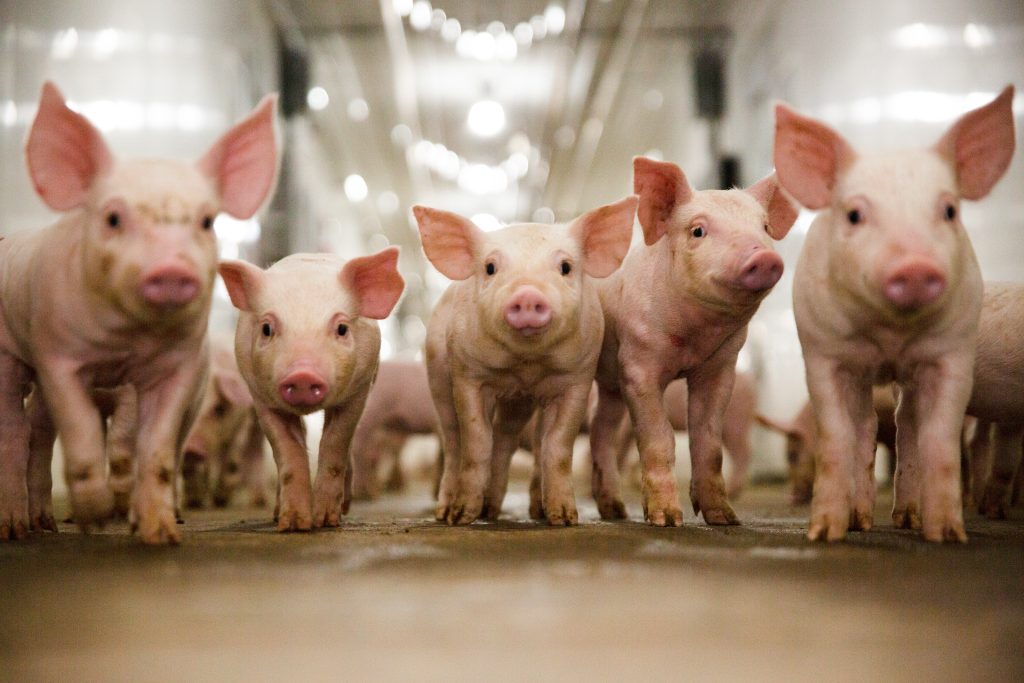
PRRS-Resistant Pigs and the resulting pork products are the same as conventional pigs and the pork products consumers are accustomed to seeing in restaurants/grocery stores. This research, conducted by PIC over several years, was peer-reviewed and published in the scientific journal Frontiers in Genome Editing.
Study Demonstrates PRRS Resistance on a Commercial Scale

PIC has established a large population of PRRS-Resistant Pigs. The result is traditionally-bred pigs that are the offspring of — and several generations removed from — the original gene-edited pigs. The study published in CRISPR has shown that this gene edit can be used responsibly to protect pigs from the PRRS virus and has no negative impact on production performance or the resulting pork products.
Growing losses from PRRS cost pork producers $1.2 billion per year, new study shows
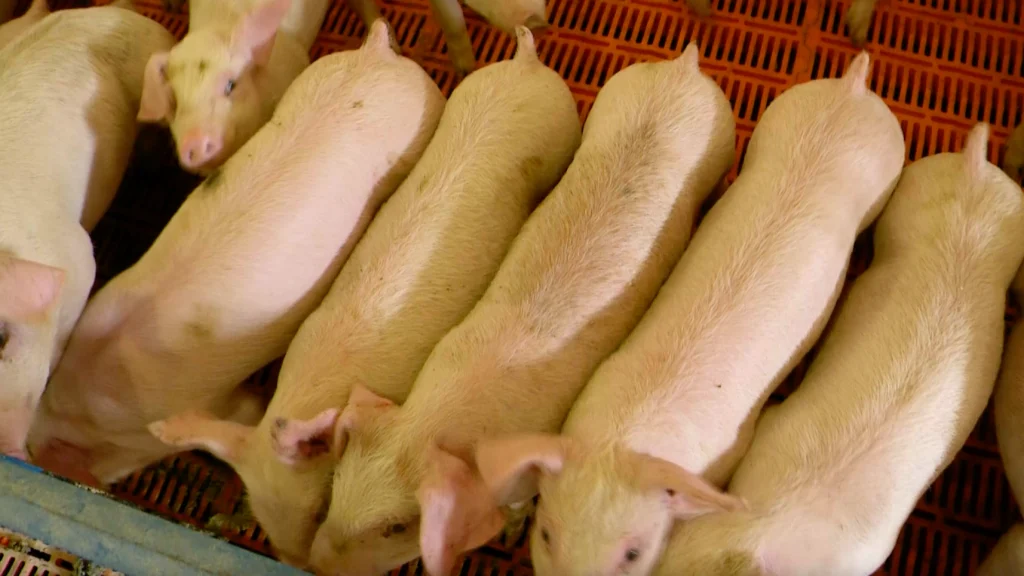
Press Release from Iowa State University Porcine reproductive and respiratory syndrome (PRRS) caused an estimated $1.2 billion per year in lost production in the U.S.