
Q&A with Dr. Derald Holtkamp, associate professor of veterinary diagnostic and production animal medicine at Iowa State University

For years, PIC and others have cited Dr. Derald Holtkamp’s research on the economic impact of porcine reproductive and respiratory syndrome virus (PRRS) on U.S.
ISU: Growing losses from PRRS cost pork producers $1.2 billion per year, new study shows
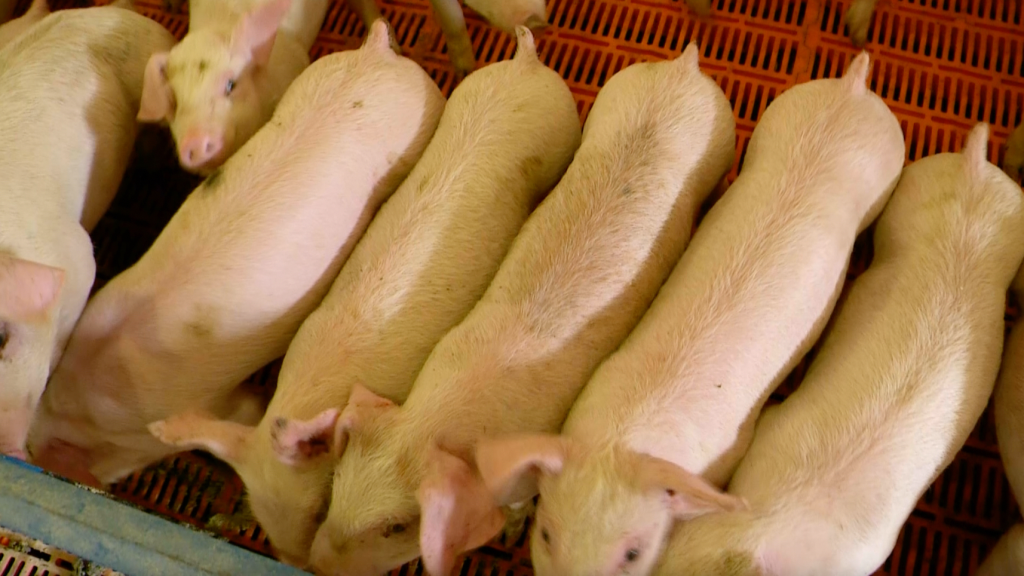
Porcine reproductive and respiratory syndrome (PRRS) caused an estimated $1.2 billion per year in lost production in the U.S. pork industry from 2016 to 2020,
A Life Cycle Assessment Study of the Impacts of Pig Breeding on the Environmental Sustainability of Pig Production
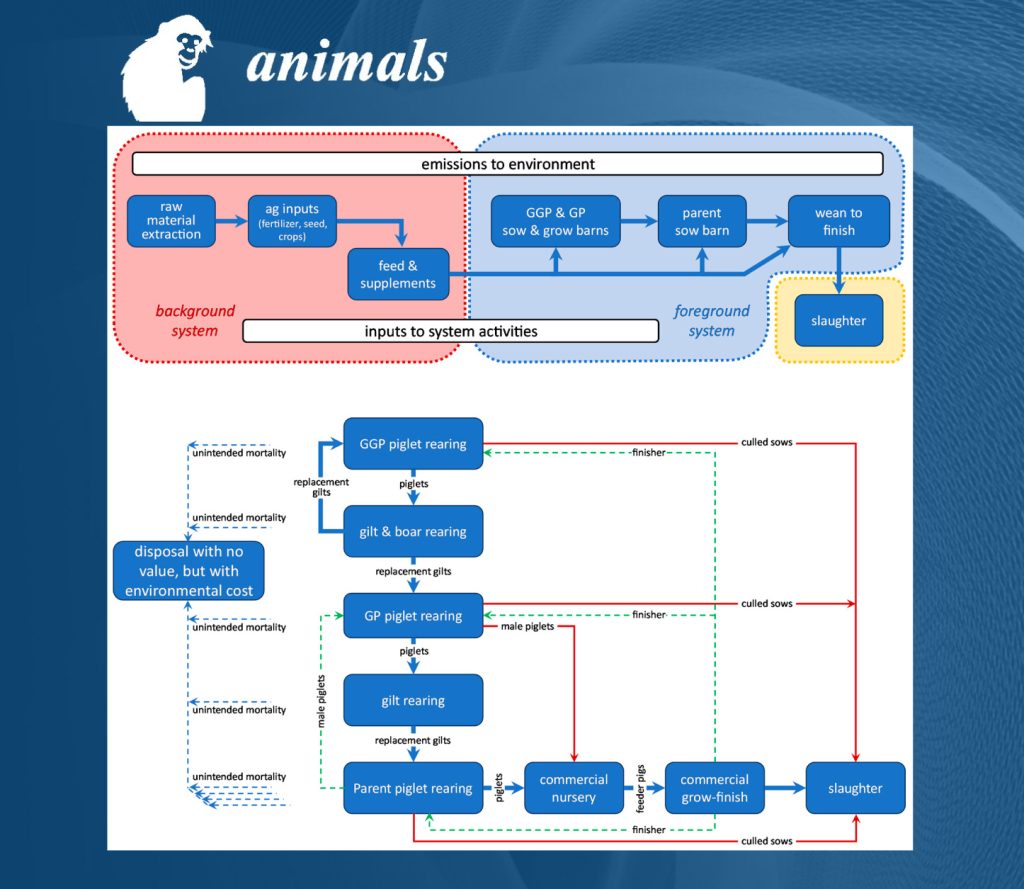
Pig production has environmental impacts such as global warming and eutrophication. This is closely linked to the feed efficiency of production, i.e., how much feed is required to produce a given quantity of pig meat; this depends on traits such as growth rate, feed intake, and litter size. Commercial pig breeding creates genetic improvement in those traits, and this should reduce the environmental impact.
Press Release: Brazil Issues Positive Regulatory Determination for PIC’s PRRS-Resistant Pig and Sustainability Initiatives
“Brazil has embraced biotechnology and agriculture innovation to help its crop and livestock producers be more productive and resilient in a tropical climate. They’ve experienced tremendous success and have significantly increased food production and affordability over the past few decades.[1] We are pleased the Brazilian government recognizes biotechnology as a tool to improve food security, animal welfare and achieve other important benefits, and we’re working to make this tool available to producers in the future,” said Matt Culbertson, Chief Operations Officer at PIC.
Research shows PRRS-resistant pigs are no different than conventional pigs, except the pigs were resistant to the PRRS virus
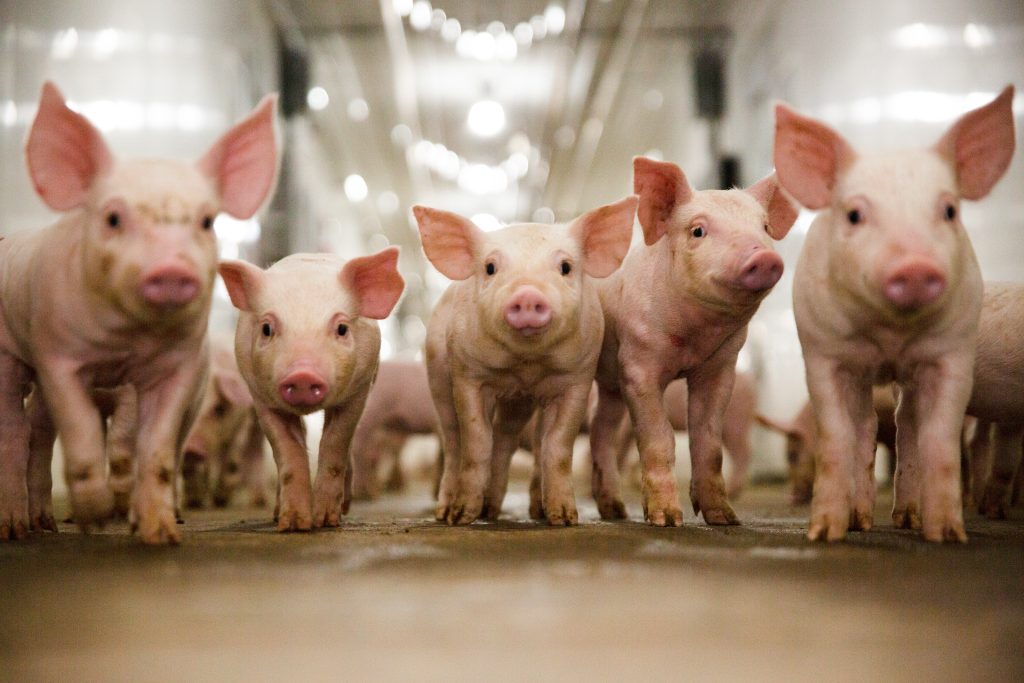
PRRS-Resistant Pigs and the resulting pork products are the same as conventional pigs and the pork products consumers are accustomed to seeing in restaurants/grocery stores. This research, conducted by PIC over several years, was peer-reviewed and published in the scientific journal Frontiers in Genome Editing.
Study Demonstrates PRRS Resistance on a Commercial Scale

PIC has established a large population of PRRS-Resistant Pigs. The result is traditionally-bred pigs that are the offspring of — and several generations removed from — the original gene-edited pigs. The study published in CRISPR has shown that this gene edit can be used responsibly to protect pigs from the PRRS virus and has no negative impact on production performance or the resulting pork products.
PORK Business: What Does the Future Hold for the PRRS-Resistant Pig?
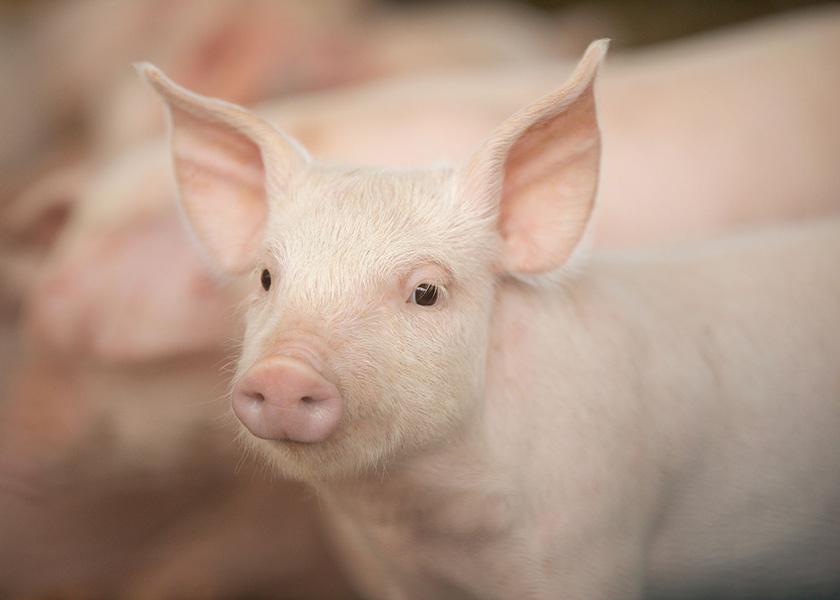
By Jennifer Shike August 13, 2024 PIC has been working for years to find a solution to porcine reproductive and respiratory syndrome (PRRS) because the problem is
PORK Business: What You Need to Know About the PRRS-Resistant Pig
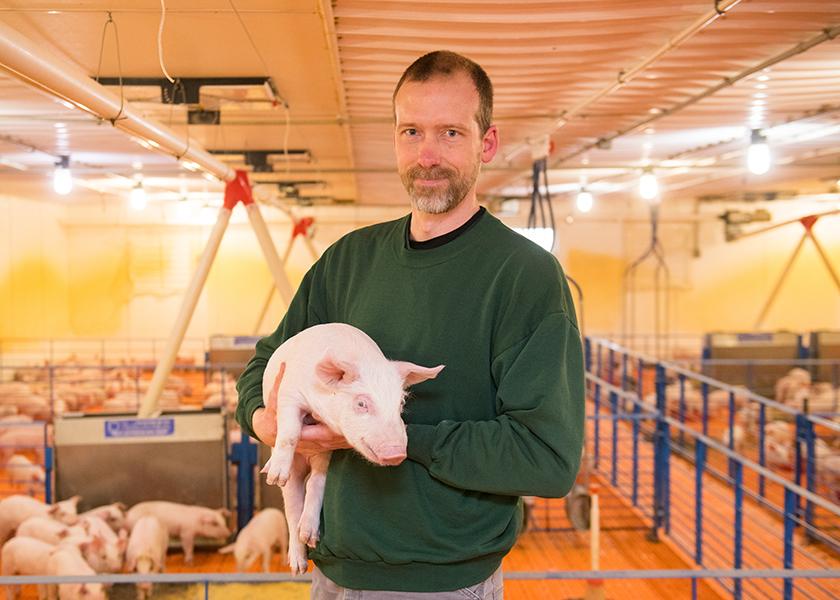
By Jennifer Shike August 16, 2024 Rolling out the PRRS-resistant pig is going to be a long process. Iowa pig farmer Mike Paustian believes it’s important to introduce the technology
Press Release: PIC Genetics Reduce European Pork Producers’ Greenhouse Gas Emissions by 7.7%
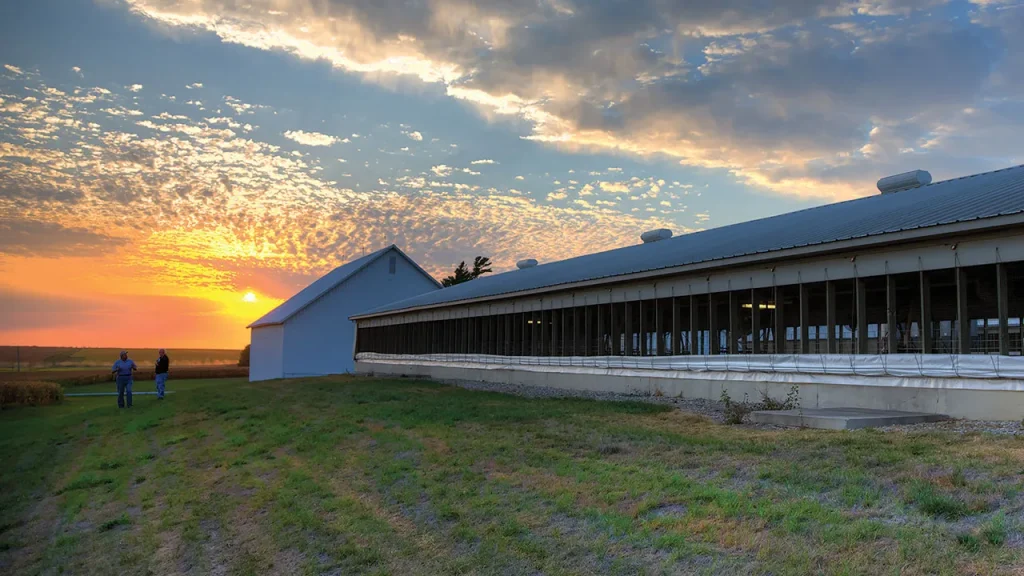
New European life cycle assessment shows using improved swine genetics makes pork production more sustainable PIC worked with global environmental modeling expert Dr. Greg Thoma
Growing losses from PRRS cost pork producers $1.2 billion per year, new study shows
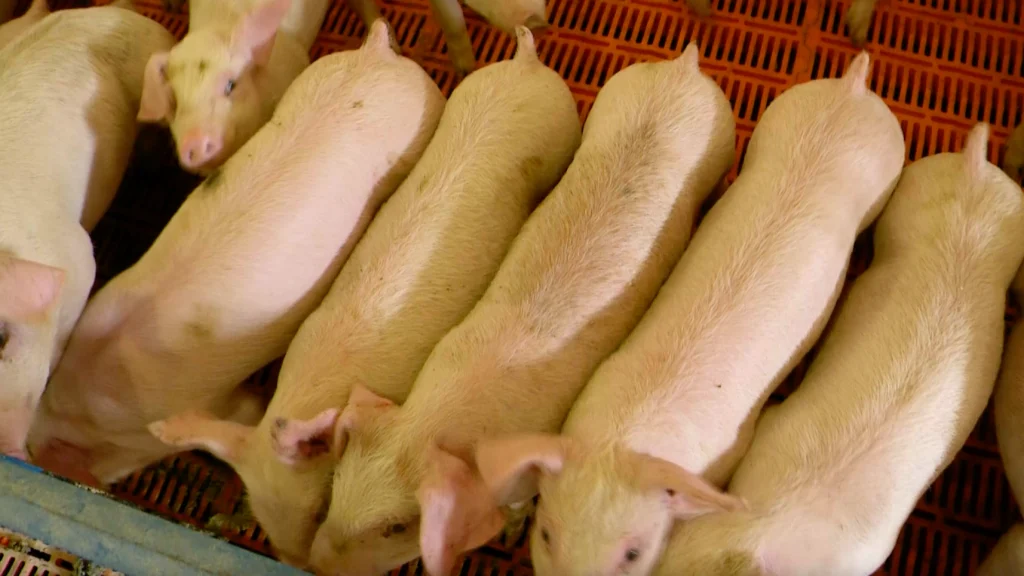
Press Release from Iowa State University Porcine reproductive and respiratory syndrome (PRRS) caused an estimated $1.2 billion per year in lost production in the U.S.